Solar panels are a smart and sustainable way to produce clean electricity using sunlight. As the need for energy increases and worries about reliable power and the environment grow, solar panel systems provide a dependable, cost-saving, and eco-friendly option. Whether for homes or businesses, choosing solar technology gives people more control over their energy use and helps reduce long-term costs. During the day, the system generates electricity that can be used immediately to run appliances. If the system produces more electricity than needed, the excess can be stored in batteries or sent back to the power grid, making sure no energy is wasted. This smart way of managing energy makes solar panels a great choice for both city and country areas.

Key Benefits of Solar Panels
The most important advantage of solar panels is energy independence. In areas where electricity supply can be unstable, solar systems provide a reliable backup, ensuring continuous power for essential appliances such as lights, fans, refrigerators and Internet equipment. This stability is especially valuable in areas where frequent power cuts or voltage fluctuations are likely.
Another major benefit is significant cost savings. Solar panels enable users to generate their own electricity, reducing reliance on grid power and lowering monthly utility bills. Over time, the return on investment becomes highly attractive, as the system continues to produce free energy for many years after installation.
Solar panels also contribute to environmental sustainability. By using renewable solar energy, they reduce dependence on fossil fuels and reduce greenhouse gas emissions. This not only helps protect the environment but is also in line with global efforts towards clean and green energy solutions. For environmentally conscious consumers, solar power is a responsible and efficient choice.
Advanced Design and Technology
Modern solar panels are built to work well, last a long time, and perform reliably. Thanks to advances in solar technology, these panels can produce more electricity even when sunlight is weak. They are also built to withstand tough weather, such as heavy rain and high heat, so they keep working well year-round. Many solar systems now come with smart tools that let users check how much energy is being generated and used, and how the system is performing, all in real time. This helps people better understand their energy use and make the most of their solar setup.
Also, solar panel systems can grow and change as needed. Whether someone needs a small setup for their home or a bigger one for a business, the system can be expanded as their energy needs increase. This makes solar panels a good choice for many different uses and helps plan for future energy needs.

Installation and Maintenance
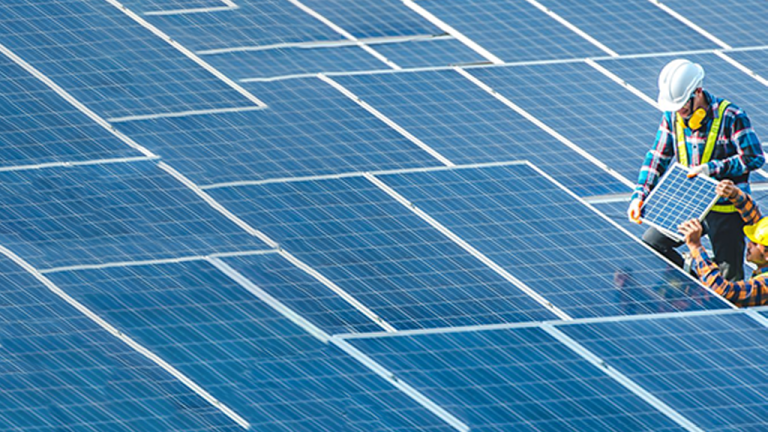
Solar panel installation involves setting up solar panels, inverters, and wiring systems to convert sunlight into electricity for homes or businesses. Proper installation ensures maximum energy efficiency and long-term performance. Solar panel maintenance includes regular cleaning, checking electrical connections, and inspecting for damage or shading issues. Routine maintenance helps improve efficiency, extend system life, and ensure safe operation.
- Professional Installation: Solar panel systems should always be installed by certified professionals to ensure maximum efficiency, proper alignment, and overall system safety.
- Optimal Placement: Panels are typically installed on rooftops or open areas with maximum sunlight exposure to achieve the highest energy output throughout the day.
- Quick and Hassle-Free Setup: Modern solar systems are designed for smooth and efficient installation, minimising disruption to your home or business operations.
- Low Maintenance Requirements: Solar panels require minimal upkeep, making them a convenient and user-friendly energy solution.
- Regular Cleaning: Periodic cleaning to remove dust, dirt, and debris helps maintain optimal performance and energy efficiency.
- Routine Inspection: Occasional system checks ensure all components are functioning properly and help identify any issues early.
- Long Lifespan: Most solar panels are built to last 20–25 years or more, providing reliable energy for the long term.
- Cost-Effective Maintenance: With no moving parts and durable construction, maintenance costs remain low over the system’s lifetime.
Conclusion
Solar panels represent a powerful combination of innovation, efficiency, and sustainability. They provide a reliable source of clean energy, reduce electricity costs, and promote energy independence. With advanced technology, minimal maintenance, and long-term financial benefits, solar panel systems are an ideal solution for modern energy needs. For homeowners and businesses looking to reduce energy expenses and environmental impact, solar panels offer a smart, future-focused investment. As the world moves toward renewable energy, adopting solar technology today ensures a more secure, sustainable, and cost-effective tomorrow.