
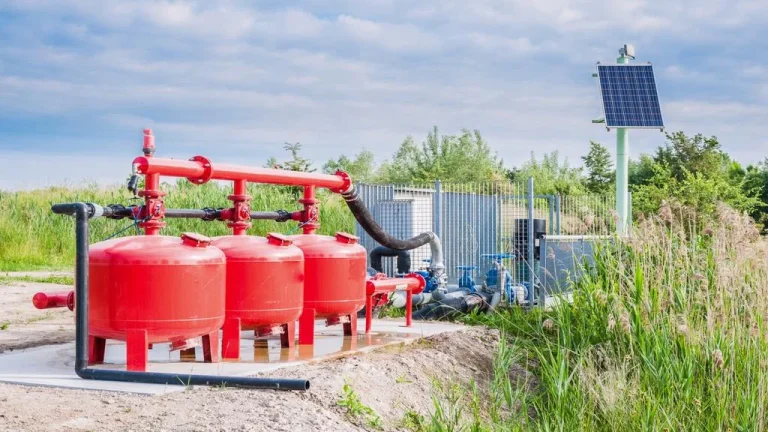
In today’s world, using sustainable energy is becoming very important for farming, homes, and businesses. Solar pumps are a new technology that uses sunlight to reliably pump water. They can be used to water crops, water animals, or supply clean water for daily use. Solar pumps are a good choice because they are better for the environment and cost less than electric or diesel pumps. As energy prices rise and people focus more on renewable energy, solar pumps are now a key part of effective water management.
How Solar Pumps Work
A solar pump system transforms sunlight into electricity through solar panels.This electricity powers a pump that transports water from a source such as a well, river, or storage tank to the required location. Unlike traditional pumps that depend on grid power or diesel fuel, solar pumps operate efficiently during daylight hours when sunlight is plentiful. Any surplus water can be stored in tanks or reservoirs for use at night or during low sunlight conditions, ensuring a steady water supply. Solar pumps are categorised into two types: submersible pumps designed for deep wells and surface pumps for shallow water sources. Contemporary solar pump systems often incorporate smart controllers that manage water flow, prevent dry running, and improve energy efficiency.

Benefits of Solar Pumps
Cost Savings and Energy Efficiency
One of the main benefits of solar pumps is that they help save money in the long run. Since sunlight is free, users don’t have to pay for electricity or fuel like they would with diesel pumps. Over time, the savings often offset the cost of buying the pump, making it a smart financial decision for farmers and families.
Reliable Water Supply
In areas with unstable electricity supply or frequent power cuts, solar pumps provide a reliable water supply. This is especially important for farming, where having water at the right time helps crops grow better. Using solar power, people can get water without relying on the electricity grid, even in remote areas.
Environmental Sustainability
Solar pumps are a good choice for the environment. They don’t produce any waste or pollution while working, helping reduce the use of harmful fuels. Using these pumps helps protect the environment and encourages the use of clean energy in the community.
Low Maintenance and Long Life
Solar pumps are built to last and require minimal upkeep. Without fuel engines or complicated parts, they are less likely to break and cost less to maintain. High-quality systems can last 15 years or more with just basic care, offering long-term reliability and good value.
Design and Technology
Solar pump systems are designed with efficiency, flexibility, and user-friendly features in mind. High-efficiency photovoltaic (PV) panels produce electricity even in low-light conditions, enabling the pump to function reliably throughout the day. Smart controllers enable users to track pump performance, water levels, and energy production via mobile applications or web-based dashboards.
These advanced systems also include safeguards against dry running, voltage variations, and overheating, enhancing their safety and longevity.Being scalable, they allow adding more panels or pumps as water demand increases, making them adaptable for various uses, from small agricultural setups to large-scale commercial irrigation systems.

Installation and Maintenance
Setting up a solar pump system is easy when done by experts. A proper installation helps make sure the water flows well, the panels are positioned correctly, and the system works efficiently. After it’s set up, the system needs very little maintenance. Usually, this means cleaning the panels regularly and checking the connections periodically. Many companies offer long warranties, making solar pumps a reliable, trouble-free choice.
Conclusion
Solar pump systems are changing how water is managed in farming, homes, and businesses.They offer a dependable, eco-friendly, and affordable way to pump water, helping people save money, have water when they need it, and reduce their environmental impact. These systems use modern technology, smart features, and adaptable designs to meet today’s water needs. For those wanting to use clean energy and improve both efficiency and sustainability, solar pumps are a smart and lasting choice.